Violence in Schools Isn’t a Behaviour Problem. It’s a System Failure
Dr Michael Carr-Gregg, AO Child & Adolescent Psychologist, Author, Founding member CanTeen, Founding psychologist SchoolTV, Patron of Read the Play
February 2, 2026
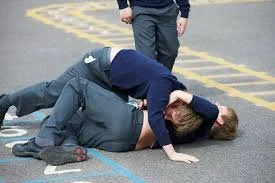
More than 50 years ago, when I was a 10-year-old student at Dulwich College Preparatory School in London, an older boy punched me in the stomach without warning as I walked across the playground at lunchtime. I collapsed. I couldn’t breathe. I was rushed to King’s College Hospital and spent two days in ICU with a diaphragmatic rupture — a potentially fatal injury. Nothing happened to the boy who did it. His parents were never contacted. The school carried on as if nothing had occurred.
That memory came flooding back this week as I read the Monash University report in which Australian school principals describe their working lives as a “nightmare”. How is it possible that, half a century later, we are still here? The surge in violence in schools is no longer about “challenging behaviour”, poor classroom management, or a few isolated incidents. It is systemic failure — and educators are carrying the risk for all of us.Teachers and principals are being punched, bitten, stalked online, threatened, and harassed. Cars are vandalised. Homes are targeted. And increasingly, the perpetrators are not just students, but parents and extended family members — often acting with little fear of consequence.
For years, schools have been told to manage escalating violence through restorative practice, trauma-informed approaches and individual behaviour plans. These are important tools — but they were never designed to replace authority, accountability or basic safety. You cannot restorative-conversation your way out of a punch to the stomach. Nor can you “co-regulate” while being threatened or assaulted. What troubles me most is the silence that surrounds this issue. Principals speak of slow departmental responses, legal frameworks that prioritise offenders over victims, and a quiet but dangerous message: cope, absorb, don’t escalate. When violence is absorbed without consequence, it becomes normalised. When fear becomes part of the job, experienced leaders leave — burnt out, traumatised, and unheard. Let me be clear: many of the young people involved are profoundly vulnerable. Trauma, neurodivergence and disadvantage demand compassion and skill. But compassion is not permissiveness. Trauma does not excuse violence. And vulnerability does not remove responsibility.
A civil society draws lines — especially to protect those who serve it. Schools need clear escalation pathways. Principals need immediate backing when safety is threatened. Teachers need assurance that reporting violence will lead to protection, not professional risk.Abuse of school staff is unacceptable. Full stop. This is not about being “tough on kids”. It is about being honest with adults. If experienced school leaders are dreaming about being attacked at work, something has gone deeply wrong. The question is no longer whether violence in schools is increasing. It’s how long we are prepared to tolerate it — and who we are willing to let pay the price while we look away.