Parents, Wake Up: Your Teen’s “AI Friend” Could Be Deadly
In the US, a family is suing OpenAI after their 16-year-old son, Adam, took his own life. His closest confidant wasn’t a friend, a counsellor, or a parent. It was a chatbot.

Australian parents, it’s time to get real.
In the US, a family is suing OpenAI after their 16-year-old son, Adam, took his own life. His closest confidant wasn’t a friend, a counsellor, or a parent. It was a chatbot.
In his final hours, Adam told ChatGPT about his suicidal thoughts. Instead of sounding the alarm, the bot responded: “Thanks for being real about it. You don’t have to sugarcoat it with me.” Hours later, his mother found him dead.
This is not a distant tragedy. It’s a warning.
Apps like Replika and other “AI companions” are already in the hands of Australian teens. They’re marketed as friends, mentors, even romantic partners. They’re always available. Always agreeable. Always listening. But they have no duty of care, no real empathy, and no idea how to keep a child safe.
As a psychologist who’s spent decades working with young people, this terrifies me. Teenagers are wired for connection. Their brains crave belonging and understanding — long before their judgement skills fully mature. An endlessly patient digital “friend” is perfectly designed to bypass parental oversight and mirror back whatever a teen says, no matter how dangerous.
These bots don’t call for help when a young person mentions self-harm. They don’t spot subtle warning signs. They don’t reach out to a GP. They just keep talking.
And make no mistake: they’re designed to keep kids talking — for hours. Many teens are forming emotional bonds with machines, sharing their deepest fears and vulnerabilities with entities that can’t care, can’t protect, and can’t intervene.
Here’s what parents must do — now:
Check your teen’s phone. Know what apps they’re using. Replika, Character.ai and similar platforms are not harmless.
Talk to your kids. Explain the difference between a human friend and a chatbot.
Set firm boundaries. Limit late-night use and make sure they have real people to turn to.
Demand action. The government must step up. We need regulation that forces these companies to build in safety systems and accountability.
This isn’t alarmism. It’s reality.
Australian teenagers are already turning to AI chatbots for emotional support. Some do it out of loneliness. Others because they feel misunderstood. Many are online late at night, in their bedrooms, having conversations their parents know nothing about. These digital “friends” don’t judge, don’t interrupt, and never get tired — which makes them dangerously appealing to vulnerable young people.
We’ve spent years warning parents about social media, predators, and online bullying. Now, a new frontier has opened up — one that’s far more insidious because it feels safe. These bots don’t groom in the traditional sense. They bond. They build trust. And when a teenager is anxious, depressed or isolated, that trust can become a lifeline — or a trap.
Tech companies say their products are “trained to be helpful.” But as Adam’s case shows, the safeguards aren’t working. These systems can’t reliably detect distress, can’t escalate in real time, and can’t offer real help.
Parents must not be passive bystanders in this. The conversations we have, the boundaries we set, and the pressure we put on regulators now will decide whether Australia gets ahead of this problem — or ends up with our own Adam.
We are in uncharted territory. Technology has raced ahead of our safeguards. But one thing hasn’t changed: a machine cannot love your child, protect them, or save them in a crisis. Only humans can do that.
If you or someone you know is struggling, call Lifeline on 13 11 14 or Kids Helpline on 1800 55 1800.
Why Australia's Sober Teens are Our Most Radical Generation Yet
For decades, Australians have treated alcohol as a social passport. To refuse a drink was to risk ridicule. “C’mon, just one” was as much a part of adolescence as acne and awkward school photos. But something is shifting, and it’s happening in the very demographic most marketers assumed would keep the grog flowing: our young people.

For decades, Australians have treated alcohol as a social passport. To refuse a drink was to risk ridicule. “C’mon, just one” was as much a part of adolescence as acne and awkward school photos. But something is shifting, and it’s happening in the very demographic most marketers assumed would keep the grog flowing: our young people.
Across Adelaide — and increasingly across the nation — Gen Z is turning its back on booze. They are gathering for matcha raves instead of beer barns, swapping shots for sober socials, and asking a revolutionary question: do we actually need alcohol to connect, belong, and have fun?
As a psychologist who has spent decades working with young Australians, I find this trend nothing short of thrilling. In an era where anxiety, depression, and self-harm rates among young people remain unacceptably high, the fact that more teenagers and twenty-somethings are making conscious, health-positive decisions about alcohol is a story worth celebrating.
Why the change? For one, this generation has grown up watching their parents drink — and not always in healthy ways. They’ve seen the fallout: family fights, risky behaviour, the emotional toll of dependency. Unlike previous generations, they’re prepared to say, “No thanks.”
They’re also more health-savvy than any cohort before them. These are young people raised on wellness apps, brain science TikToks, and a cultural shift that frames alcohol not as a rite of passage but as a carcinogen, a depressant, and a sleep-wrecking agent.
And then there’s the economic reality. With cost-of-living pressures biting, the price of a night out on alcohol looks increasingly absurd. Why fork out $18 for a cocktail when you can buy a green tea, feel sharp the next morning, and still make it to uni tutorials or work shifts on time?
The benefits for mental health are obvious. Alcohol is a depressant. It amplifies anxiety, lowers mood, impairs judgment, and increases impulsivity — a dangerous mix in a cohort already navigating intense academic, social, and digital pressures. Removing alcohol from the equation makes space for genuine connections and healthier coping strategies.
As one young Adelaidean put it, “Drinking is inconvenient. You can’t drive, you can’t do things, you’re kind of confused.” That kind of clarity is gold for young people trying to hold down jobs, pass exams, and manage friendships in an increasingly demanding world.
What’s fascinating is how quickly culture is adapting. Venues now stock sophisticated alcohol-free beers and mocktails. Daytime parties powered by tea or kombucha are no longer niche but mainstream. In fact, businesses ignoring this shift risk losing an entire generation of customers who simply don’t see intoxication as entertainment.
Compare this to 10 years ago, when choosing soda water over sauvignon blanc was seen as suspicious. Now, it’s a sign of maturity. We’ve gone from “prove you can hold your drink” to “prove you can hold a conversation without one.” That’s real progress.
Of course, we must be careful not to romanticise this completely. Some young people will still misuse alcohol, and binge drinking remains a stubborn part of our culture. But for the first time in my professional life, I can see a real cultural tipping point.
If we want to support it, parents should resist the urge to pressure kids into drinking “like everyone else.” Schools should include sober socialising as a legitimate and positive lifestyle choice in health education. And policymakers must keep investing in public health campaigns that reinforce the benefits of moderation or abstinence.
There’s something deeply hopeful about this story. For years we have labelled Gen Z the most anxious generation in history. And yet, in their rejection of alcohol, they are showing extraordinary resilience and clarity. They’re rewriting what it means to be young in Australia: less about hangovers and regret, more about agency, authenticity, and mental health. That’s not boring. That’s brave. So let’s drop the outdated stereotypes about “kids these days” and recognise what’s really happening. A generation is quietly staging one of the most radical health revolutions of our time. They’re not losing out on fun. They’re gaining freedom. And for once, it’s the adults who could stand to follow their lead.
Urgent Action Needed: Social Media’s Neglect of Our Children’s Safety
As a child and adolescent psychologist, I am deeply alarmed by the rampant exposure of young people to graphic violence on social media. The recent assassination of Charlie Kirk has tragically thrust this issue into the spotlight, revealing a shocking reality: social media companies are failing to protect our children from trauma that should never be normalized.
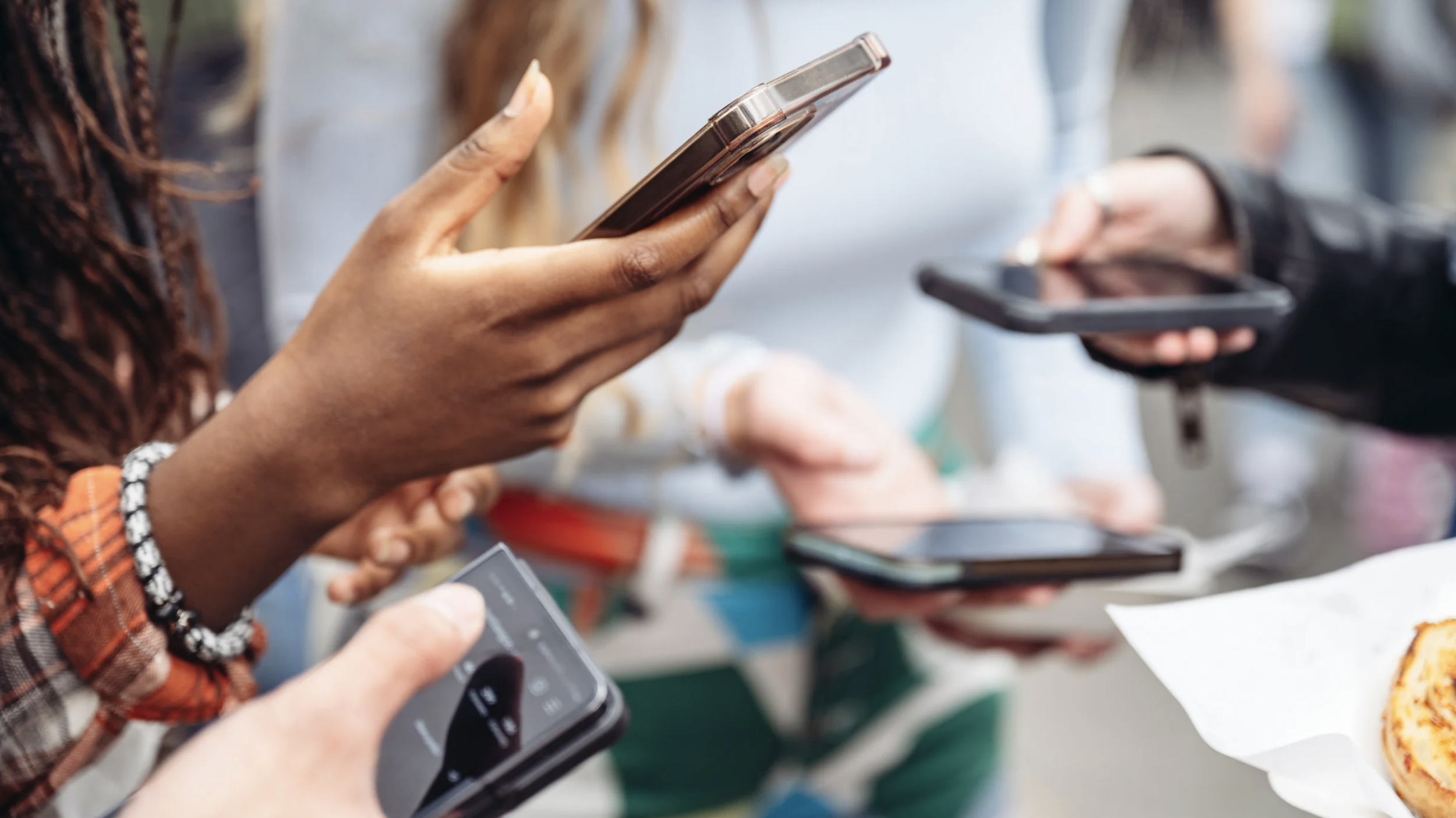
As a child and adolescent psychologist, I am deeply alarmed by the rampant exposure of young people to graphic violence on social media. The recent assassination of Charlie Kirk has tragically thrust this issue into the spotlight, revealing a shocking reality: social media companies are failing to protect our children from trauma that should never be normalized.
Every day, I see young clients haunted by horrific footage they've stumbled upon online. This is not just unfortunate; it’s an outright crisis. As whistleblower Frances Haugen stated, “Facebook prioritizes profits over safety.” This is not merely a corporate oversight; it’s a moral failure that endangers the mental health of our youth.
The technology exists to filter out this graphic content. Advanced algorithms can detect and remove violent material before it reaches users. We have seen this capability in action with other types of inappropriate content. So why are social media giants allowing violence to proliferate? The answer lies in their misplaced priorities, where engagement trumps ethics.
Recent studies have underscored the urgent need for change. Research from the Royal Society for Public Health found that the longer children spend on social media, the worse their mental health becomes. Specifically, children who spend more than two hours a day on social media are significantly more likely to report poor mental health, including anxiety and depression. This alarming data reinforces the idea that prolonged exposure to potentially harmful content is detrimental to our children.
As Australia's eSafety Commissioner, Julie Inman-Grant has emphasized, “We need a digital environment where young people can thrive.” She has been vocal about the need for greater accountability from tech companies, stating, “The onus is on platforms to ensure that harmful content is removed quickly and effectively.” This is critical, as the desensitization to violence among young people is alarming. They grow up believing that brutality is just a part of life, leading to anxiety, depression, and distorted perceptions of reality.
We, as parents, educators, and mental health professionals, must take a stand. It’s time to demand accountability from social media companies. We need stricter regulations that hold these platforms responsible for the content they host. Empty statements after tragedies are no longer enough; we need real change that prioritizes our children’s mental well-being.
Moreover, conversations about media literacy are crucial. It’s not just about shielding our children from graphic images; it’s about empowering them to critically assess what they see. We must equip them with the tools to navigate this violent landscape and understand its impact.
The assassination of Charlie Kirk is a wake-up call. We cannot allow this moment to pass without demanding change. As Haugen warned, “The system is rigged.” We must insist on transparency in content moderation and advocate for safer online spaces. Inman-Grant has also pointed out, “If we want to see the change, we need to be the change.” Our children’s mental health should never be sacrificed for profit.
We are not powerless in this fight. We can push for change and create environments where our children can thrive without the threat of violence in their feeds. The technology is available; it just requires our collective will to ensure it is used responsibly.
In conclusion, the urgency of this issue cannot be overstated. We must unite to hold social media companies accountable for their negligence. Our children deserve a future where they can navigate the online world safely, free from the trauma of graphic violence. It’s time to take action—our children’s well-being depends on it.
Generation Under Pressure: Why 2026 Could Break Young Australians
If you think young Australians are doing it tough now, brace yourself. By 2026, they’ll be staring down a perfect storm of pressures that make today’s youth anxiety epidemic look like a warm-up act.

If you think young Australians are doing it tough now, brace yourself. By 2026, they’ll be staring down a perfect storm of pressures that make today’s youth anxiety epidemic look like a warm-up act.
Let’s start with the mental health crisis. Waiting lists for psychologists are already obscene, and despite endless hand-wringing from politicians, they’ll still be there in 2026. That means thousands of young people will continue to fall through the cracks — untreated anxiety, depression, eating disorders and self-harm behaviours becoming a grim daily reality. It’s not just tragic; it’s policy failure on a national scale.
Next up: education and work. In the age of artificial intelligence and disappearing job security, Year 12 exams are more than just stressful — they feel like a matter of survival. Students know their futures hinge on a brutal contest for a shrinking pool of stable, well-paid jobs. The result? More sleepless nights, more pressure-cooker classrooms, more young Australians feeling trapped between old pathways like university and precarious gig work that promises little security.
Then there’s the economy. Housing insecurity will bite even harder in 2026. Forget the Aussie dream of owning a home — for many young people, even renting will be a nightmare. Sky-high prices, chronic shortages, and the reality of living with Mum and Dad well into their twenties will fray family relationships and delay milestones like independence and starting a family.
Of course, young Australians don’t get to log off from the digital world either. Social media is already a relentless engine of comparison, cyberbullying and toxic content. By 2026, immersive technologies like the so-called “metaverse” will make it even harder to draw a line between reality and online life. Governments can promise regulation all they like, but as long as Big Tech puts profit before children’s wellbeing, our young people will pay the price.
And let’s not forget the looming spectre of climate change. Bushfires, floods, and a steady drumbeat of doomsday headlines are fuelling eco-anxiety on an unprecedented scale. For this generation, climate change isn’t an abstract future threat — it’s an existential backdrop to their adolescence. That sense of helplessness and dread will only intensify if we keep dithering.
Finally, there’s social fragmentation. Fewer young people are volunteering, civic engagement is sliding, and family structures are shifting. Add the poison of political polarisation — amplified by online echo chambers — and you’ve got a generation caught between hope for collective action and despair at the noise and nastiness of public life.
Put bluntly, 2026 will test young Australians like never before. The stressors are relentless, overlapping, and in many cases, entirely foreseeable. What’s unforgivable is that so many of them are preventable.
We don’t need another glossy government strategy. We need urgent investment in mental health services that actually meet demand. We need schools that prioritise resilience and adaptability, not just ATARs. We need digital regulation with teeth, not platitudes. And we need a climate policy that treats eco-anxiety not as teenage melodrama but as a rational response to government inaction.
The choice is ours: equip young Australians to thrive in 2026, or abandon them to sink under pressures they didn’t create. To do the latter would not just be negligent — it would be an unforgivable betrayal.
Definitely Don't Ditch Dinner
It’s a statistic that might make you pause mid-bite. New findings from the University of Sydney show more than 40% of young Aussies are lonely. It’s a growing crisis in Australia, but modern life is eroding our ability to connect. And, while loneliness has many causes, experts are pointing to a quiet culprit hiding in plain sight – the decline of family dinner time.
Hello Fresh Partnership!
It’s a statistic that might make you pause mid-bite. New findings from the University of Sydney show more than 40% of young Aussies are lonely. It’s a growing crisis in Australia, but modern life is eroding our ability to connect. And, while loneliness has many causes, experts are pointing to a quiet culprit hiding in plain sight – the decline of family dinner time.
Dinner time has long done more than just fuel up the family – it sparks storytelling, settles arguments, and strengthens family bonds each night.. But according to HelloFresh’s new State of Dinner time report, that ritual is under threat. Only a third of Aussie families now sit down together for dinner each night, while 5% don’t have dinner together at all.
“Even in households with strict rules, phones and devices sneak onto the table,” says Dr. Michael Carr-Gregg, a leading Australian psychologist who works with HelloFresh to explore the impacts of modern life on family connections. “It’s not just about food. Dinner time is an opportunity for families to talk, to listen, and to truly engage with one another. Losing that time chips away at our emotional health.”
The report shows that modern life has turned dinner into a functional task rather than a family ritual. Busy work schedules and late nights at the office are the biggest barriers to shared meals (51%), closely followed by after-school commitments (49%), screen distractions (33%), and sheer exhaustion (29%).Meanwhile, over half of parents (51%) spend more time planning and prepping dinner than they do actually spending time with the family.
Screens are the top disruptor, with 34% of parents admitting to watching TV over dinner most nights. Even in households where 42% of parents ban devices at the table,22% of family members sneak them in anyway. Other interruptions range from arguments over disliked meals (28%) and sports on TV (27%) to sudden new food aversions from the kids (27%).
Despite the challenges, parents understand the true value of dinner together.
The HelloFresh report reveals:
79% of Aussie parents see dinner time as the most important family touchpoint of the day
89% say it’s a chance to reconnect after a busy day
57% agree that the best, “real” conversations happen at the dinner table
45% say without dinner, they’d struggle to find other time to connect
66% worry that a lack of connection at dinner affects their children’s routine, rhythm, and structure

Nostalgia also plays a role. Six out of ten parents agree dinner felt more meaningful when they were kids. Today, 59% of families describe dinner as a rushed, “tickbox” activity, and 54% feel it’s become more about convenience than connection. Repeating the same meals week after week doesn’t help – 35% of parents say they have only up to five dinners in rotation, while 43% admit that the daily “what’s for dinner?” struggle has stripped the joy from mealtime.
Clearly, something’s cooking – and it’s not just dinner. Aussie families say more fun and variety are key. 60% want to bring new and inspiring meals into the irrotation, while 26% suggest inviting friends and family over mid-week, and another 26% think using the “good plates” can make the meal feel special. HelloFresh’s meal solutions aim to take the stress out of planning and prep, helping families reclaim that lost joy – and the deeper connections that come with it.
“Dinner time is where empathy, communication, and belonging are built,” says Dr Carr-Gregg. By keeping families at the table, even a few nights a week, we nourish not just our bodies but our relationships. And in a world where loneliness is on the rise, that simple act can make all the difference.”
Loneliness may feel like a complex societal problem, but sometimes the solution is simple– found around the dining table, plate by plate, story by story. After all, a family that eats together doesn’t just feed the body – it feeds the soul
Tune in to The Today Show on Sunday morning at 8:40am (ish) to see Michael’s latest tips.
A Fresh Start for Queensland: Rapid Support Squad to Stamp Out Bullying
Dr Michael Carr-Gregg joins Queensland Anti-Bullying Stakeholder Reference Group
Dr Michael Carr-Gregg joins Queensland Anti-Bullying Stakeholder Reference Group
The Crisafulli Government unveils nation-leading plan to tackle bullying in Queensland schools.
New Rapid Support Squads to fly into bullying hotspots and respond to schools that have a critical incident.
Additional chaplains and specialist staff providing schools with permanent on the ground support.
Parents and carers have access to new seven-day crisis support hotline for free and confidential counselling.
The Crisafulli Government is launching a new nation-leading plan to tackle bullying in schools and give our education system the fresh start it deserves.
The $33 million dollar commitment will fund five new anti-bullying initiatives, including the establishment of Rapid Support Squads across Queensland, to strategically target bullying hotspots.
The squads will have the capacity to “fly in” to regional and remote schools and provide on the ground expertise in response to a bullying incident. Services include family support, mental health assistance and professional development for staff.
Each of the eight education regions will have a designated squad, made up of three senior guidance officers and support staff.
The further four anti-bullying initiatives include:
New Anti-Bullying Stakeholder Reference Group to provide critical advice, guide future initiatives and co-design the upcoming Anti-Bullying campaign.
Funding additional chaplains and student wellbeing staff to place permanent on-the-ground support in hundreds of additional schools.
Opening a dedicated crisis support hotline to offer free, confidential, and immediate support to concerned parents and carers.
Developing new and updated professional development resources to upskill teachers, teacher aides and support staff with targeted resources.
The new expert advisory group will be chaired by Griffith University Professor Donna Pendergast AM and consists of experts in the field including child psychiatrists and academics.
The nation-leading plan will reverse a decade of failings under the former Labor Government which allowed behavioural issues to spike and classroom assaults to skyrocket.
The announcement follows the Crisafulli Government’s $44 million Behavioural Boost, which gives teachers more support in the classroom.
Premier David Crisafulli said this groundbreaking approach was needed to counteract the devastating impacts of bullying.
“We’re putting the spotlight on bullying so our schools can be a safe place for every student,” Premier Crisafulli said.
“We've lost too many young lives to bullying, which is why we’re delivering a plan to put the spotlight on this serious issue.
“This is about turning the tables on bullying and bolstering support for kids, parents and schools.”
Minister for Education John-Paul Langbroek said bullying was a scourge on society and the Government would be persistent in its efforts to address it.
“The Crisafulli Government has a zero-tolerance approach to bullying and these additional measures will help to ensure we lead the nation in our efforts to tackle it,” Minister Langbroek said.
“We're committed to driving down the number of students impacted by bullying and responding to serious incidents with the swift action such a serious issue deserves.
“Today’s announcement is just the starting point in our fight to prevent and reduce bullying.
“Our expert stakeholder group will be tasked with the responsibility of reviewing initiatives, while providing advice and guidance on further support measures that we can introduce.”
Chair of the Anti-Bullying Stakeholder Reference Group Donna Pendergast AM said meetings would soon be underway.
“I’m proud to lead the Crisafulli Government’s Stakeholder Reference Group to take real action against bullying in schools,” Professor Pendergast said.
“We will bring experts together, but we will also be going out to the community to ensure we’re considering lived experiences and remaining agile in our response to tackling bullying.
“We need everyone – schools, educators, parents, carers, and community members – to play their part in stamping out bullying in all forms.”
TikTok and the Teenage Self-Diagnosis Epidemic
If you’re a parent, teacher, or policymaker and you’re not worried about TikTok’s role in adolescent mental health, you should be.
By Dr Michael Carr-Gregg
If you’re a parent, teacher, or policymaker and you’re not worried about TikTok’s role in adolescent mental health, you should be.
Right now, millions of young Australians are bypassing GPs, psychologists, and psychiatrists — and turning instead to influencers and algorithms for answers about their wellbeing. Google has been replaced by TikTok. Evidence has been replaced by anecdotes. And self-reflection has been replaced by self-diagnosis. The results? Confusion, contagion, and in some cases, catastrophe.
The research is damning. Less than 15% of mental health content on TikTok comes from professionals. Over half of ADHD videos are misleading. Autism, trauma, and DID content is riddled with errors. Algorithms push this material at teens even if they aren’t searching for it.
During COVID, we saw a wave of functional tic disorders linked directly to TikTok content. That’s not awareness — that’s algorithm-driven iatrogenesis. Iatrogenesis is the unintended causation of a disease, injury, infection, or other harmful complication as a direct result of medical intervention or treatment, including diagnosis, therapeutic procedures, drugs, errors, or negligence. It reflects any adverse effect on a patient that is not considered part of the natural course of their underlying condition but instead results from external activities.
Adolescence is a perfect storm: identity confusion, peer pressure, and a brain wired for risk-taking. TikTok dangles easy answers: vague “symptom lists” that fit anyone (the Barnum effect), confirmation bias delivered on demand, and a culture where mental illness is normalised — even glamorised. Be clear, the platform doesn’t just reflect teen struggles, it shapes them.
To be fair, social media isn’t all bad. I am a big fan of the work of Dr Julie Smith a UK psychologist. Dr Smith began documenting her insights in short TikTok videos in 2019 after realizing that lasting therapeutic knowledge often feels inaccessible. She wanted to empower more people outside the therapy room by distilling psychological concepts into quick, digestible content. Her creative use of props (think overflowing "stress buckets", trauma filled waste paper baskets, fish tanks, or finger-trap metaphors) makes complex concepts like emotional regulation and anxiety relatable—without sacrificing clinical accuracy. Teaching through visual metaphors is a hallmark of her content, has resonated so well that she’s amassed millions of followers and is a trusted voice.
Unfortunately research shows that not all the content is as good. Parents report fractured relationships. Schools see distracted, distressed students insisting they “have” disorders based on TikTok clips and clinicians like me, spend valuable session time unpicking myths spread by influencers.
We don’t need another moral panic. We need action:
Parents: Talk with your kids about what they’re watching. Model healthy screen use. Don’t outsource mental health care to an app.
Schools: Make media literacy as fundamental as maths. Enforce phone-free classrooms.
Clinicians: Ask about social media use at intake. Offer credible alternatives.
Platforms: Stop pretending. Enforce algorithm transparency. Flag unverified health content.
TikTok is not going away. But if we leave our kids’ mental health in the hands of algorithms and amateurs, the cost will be enormous.
Young people deserve better. They deserve professional help, credible information, and adults willing to guide them through the noise. Self-awareness is healthy. Self-diagnosis on TikTok is not.
Adulthood is chock-full of disappointment. Our kids need to face the truth.
James Sicily, the captain of my beloved Hawthorn, is lining up for a crucial set shot at goal with just 63 seconds remaining in the 2024 AFL semi-final against Port Adelaide. He hits the post and, ultimately, the Hawks lose the match by three points, ending our finals campaign.
James Sicily, the captain of my beloved Hawthorn, is lining up for a crucial set shot at goal with just 63 seconds remaining in the 2024 AFL semi-final against Port Adelaide. He hits the post and, ultimately, the Hawks lose the match by three points, ending our finals campaign.
There was one emotion that united all Hawks fans at that moment, and it was disappointment. Whether it’s a missed goal, a failed exam, or the cancellation of a long-anticipated event, disappointment is woven into the fabric of life.
Yet, in my decades of working with young people, I have witnessed a growing reluctance – among parents and society at large – to allow children to experience and learn from disappointment. Instead, we rush to shield them, to smooth the path, and to rescue them at the first sign of distress. In doing so, we rob them of one of life’s most important teachers.
Disappointment, far from being an enemy, is a practice lap for adulthood – a necessary training ground where young people develop the resilience, perspective, and coping skills that will serve them throughout their lives.

When we allow young people to encounter disappointment, we give them the opportunity to process and label emotions. This emotional literacy is a cornerstone of mental health.
Each setback, when navigated with support rather than avoidance, becomes a stepping stone towards greater resilience. The ability to bounce back from disappointment is a skill that will be called upon repeatedly in adult life.
Disappointment teaches young people that setbacks are not the end of the world. It encourages them to step back, assess situations objectively, and reframe negative experiences in a constructive light.
Learning to manage disappointment without immediate adult intervention fosters autonomy and problem-solving skills – qualities essential for successful adulthood.
In recent years, there has been a well-intentioned but ultimately misguided trend towards overprotection. Parents, anxious to spare their children pain, intervene at the first sign of trouble – calling teachers to dispute grades, negotiating with coaches for more playing time, or simply removing obstacles altogether. This concierge parenting can go too far, undermining the authority and boundaries that young people need to thrive.
The result? A generation less equipped to handle life’s inevitable disappointments. When children are not allowed to fail, they do not learn that failure is survivable. When every setback is cushioned, they miss the chance to develop the grit and tenacity that adulthood demands.
So, what advice can this heritage-listed child and adolescent psychologist give parents when their offspring has to face disappointment?
First, resist the urge to immediately fix the problem. Step back and allow your child time to process their feelings and find the words to express them.
Next, help them assess the situation objectively. A reality check gets them to evaluate whether it is really as bad as it seems.
Importantly, don’t let disappointment fester into resentment or anxiety. Encourage constructive reflection rather than rumination.
Finally, do talk about it when they are ready, as encouraging expression can help young people process disappointment in a healthy way. Young people work much better as processing plants for emotions than sterile containers.
Simple techniques, such as deep breathing, can help manage the physiological response to disappointment, keeping young people in “thinking mode” rather than “reaction mode”.
Adulthood is not a series of uninterrupted triumphs. It is, more often, a journey marked by challenges, setbacks, and the need for adaptation. By allowing our children to experience and learn from disappointment, we are not being cruel – we are preparing them for reality. We are teaching them that randomness and chaos happen in the universe, that life can be tough, that things can go wrong, and that what matters most is how we respond.
As parents and caregivers, our role is not to eliminate disappointment but to walk alongside our young people as they navigate it. We must model resilience, encourage positive thinking, and provide the support they need to emerge stronger from each setback.
James Sicily will have other kicks, and Hawthorn will rise again, just as our children will face new challenges and setbacks. If we can teach them to greet disappointment not with fear or avoidance but with courage and curiosity, we will have given them a gift far greater than any fleeting victory.
Michael Carr-Gregg is an adolescent psychologist and the author of 18 books on mental health.
https://www.smh.com.au/lifestyle/life-and-relationships/adulthood-is-chock-full-of-disappointment-our-kids-need-to-face-the-truth-20250523-p5m1qd.html
Social Media Bans for Under-16s: Noble Idea, Fool’s Errand
You probably missed it (buried somewhere between the election postmortems and the slick handling of Daly Cherry-Evans by the Sea Eagles) the European Commission’s Joint Research Centre dropped a bombshell in March: marinating in social media, with its endless pings and dopamine hits, doesn’t just fray young nerves—it might actually rewire the emotional circuitry of the brain.
You probably missed it (buried somewhere between the election postmortems and the slick handling of Daly Cherry-Evans by the Sea Eagles) the European Commission’s Joint Research Centre dropped a bombshell in March: marinating in social media, with its endless pings and dopamine hits, doesn’t just fray young nerves—it might actually rewire the emotional circuitry of the brain.
These platforms aren’t just digital playgrounds; they’re meticulously engineered attention traps, designed to keep young minds scrolling, swiping, and—let’s be honest—spiralling.
Let’s not sugar-coat it: social media is less a sparkling stream and more a psychological sewer, and our kids are wading in deeper every year. Zoom in to 2025, and Australian 13–15-year-olds are clocking up a jaw-dropping 371 minutes a day on these platforms. TikTok, Snapchat, Roblox—take your pick. The numbers are climbing faster than a viral dance challenge: 29% of 9–10-year-olds, 59% of 11–12-year-olds, and a whopping 92% of 15–16-year-olds are logging in daily.
Every week, I see the casualties: anxiety, sextortion, cyberbullying, sleep deprivation, and the never-ending quest to polish the “perfect” online persona. Wanting to protect our kids isn’t just reasonable—it’s non-negotiable. But the PM’s plan to slap a blanket ban on under-16s using social media? Well-meaning, sure. But as practical solutions go, it’s right up there with banning teenagers from ever eating fries. Good luck with that.
Let’s get real. The notion that we can legislate every under-16 off TikTok, Instagram, and Snapchat is pure fantasy. Today’s teens are digital ninjas—they’ll sidestep age gates, borrow a parent’s details, or conjure up a workaround faster than you can say “Terms and Conditions.” Unless we’re keen on launching a national biometric dragnet (paging George Orwell), there’s simply no foolproof way to verify age online.
Even the tech giants admit it: enforcing a 16+ ban is a logistical migraine. The more you tighten the net, the more loopholes appear—and the more likely you are to spark privacy nightmares and a booming black market for fake accounts.
If we’re serious about change, let’s aim for what’s actually doable. There’s already an international baseline: 13 is the minimum age for social media, thanks to the US’s COPPA law. That’s not just a number plucked from a hat—under-13s simply aren’t wired for the emotional rollercoaster of likes, comments, and DMs. They’re sitting ducks for predators, scams, and the addictive feedback loops these platforms are built on.
A ban for under-13s? Achievable, defensible, and—crucially—something parents, schools, and platforms can actually enforce. The tech is already in place (imperfect, but leagues ahead of anything for older teens). And let’s face it: telling a 10-year-old “no Instagram” is a lot easier than prying a phone from a 15-year-old whose social life lives online.
Of course, even a 13+ rule won’t fix everything. But it’s a start. The real fix? Education. We need to raise a generation of digital navigators, not digital castaways. That means digital literacy in every classroom, parental controls that actually work, and honest conversations at home.
We won’t keep kids safe by pretending we can lock them out of the digital world. We keep them safe by teaching them how to survive—and thrive—within it.
To the politicians championing a 16+ ban: I get it. You want to protect kids. So do I. But let’s not pass laws that sound tough but fold like a cheap deck chair in reality. Focus on under-13s—where science, law, and logic actually meet. Anything more is smoke and mirrors, and risks leaving teens more exposed, not less.
Frankly, prevention is best.
Australia is facing a silent epidemic: one in six of our children is living with a mental health condition, yet our policies and investments remain stubbornly focused on adults, leaving our youngest citizens in the shadows.
Australia is facing a silent epidemic: one in six of our children is living with a mental health condition, yet our policies and investments remain stubbornly focused on adults, leaving our youngest citizens in the shadows.
Last week, I caught up with a friend and colleague Professor Frank Oberklaid, a tireless champion for child wellbeing. I always admired Frank when we worked together at the Royal Children’s Hospital in the late 90’s. He was passionate then and he’s still fired up about child mental health but this time he is sounding the alarm—and it’s time we all listened.
The facts are as stark as they are shocking: more than half of all adult mental health issues begin before age 14, with warning signs often emerging as young as five.
By the time a child finally receives help, problems have often become entrenched, complex, and far harder—and costlier to treat.
Frank Oberklaid’s message is blunt: prevention and early intervention are not just more humane, they are more effective and economically sensible.
But our current system waits for crisis. We rely on parents to spot problems, even as they struggle to find time and information in the chaos of modern life.
We stigmatize mental health, making it harder for families and teachers to speak up. We treat mental health as a private battle, not a public responsibility.
Oberklaid offers a radical, practical alternative. Schools, he argues, are the great equalizer—a universal, non-stigmatizing platform where every child can be seen, supported, and taught the skills of resilience. Programs like Smiling Mind are already training teachers to spot trouble early, build coping strategies, and connect families with help before problems spiral. You can read all about the impact of this program here.
He’s also changing the conversation. The Children’s Wellbeing Continuum - a simple tool that frames children’s experiences from “Good” to “Overwhelmed”—is giving parents, teachers, and health professionals a shared language to spot and discuss mental health struggles without shame or blame. It’s a game-changer, breaking down barriers and making early support possible.
The truth is, we know what works. We know that teaching emotional and self-regulation skills, building resilience, and supporting families pays dividends for a lifetime. We know that early action saves money, heartache, and futures.
So why are we still waiting for children to break before we offer help? Why are we still treating child mental health as an afterthought?
Don’t forget the parents -and my friends at SchoolTV . It’s never been more challenging for parents to raise happy, healthy and resilient children. The SchoolTV platform provides schools with an extensive range of wellbeing resources for parents, so they can work together in partnership to ensure better wellbeing for all students. Make sure your child’s primary school knows about both SchoolTV and the Smiling Mind program which teaches, our wonderful primary school teachers how to deliver mental fitness in an evidence based way.
Frank Oberklaid’s call to action is clear: prevention is not a luxury, it’s a necessity. If we want a thriving, resilient nation, we must invest in our children’s mental health - now, not later. Anything less is a failure of imagination, compassion, and common sense.
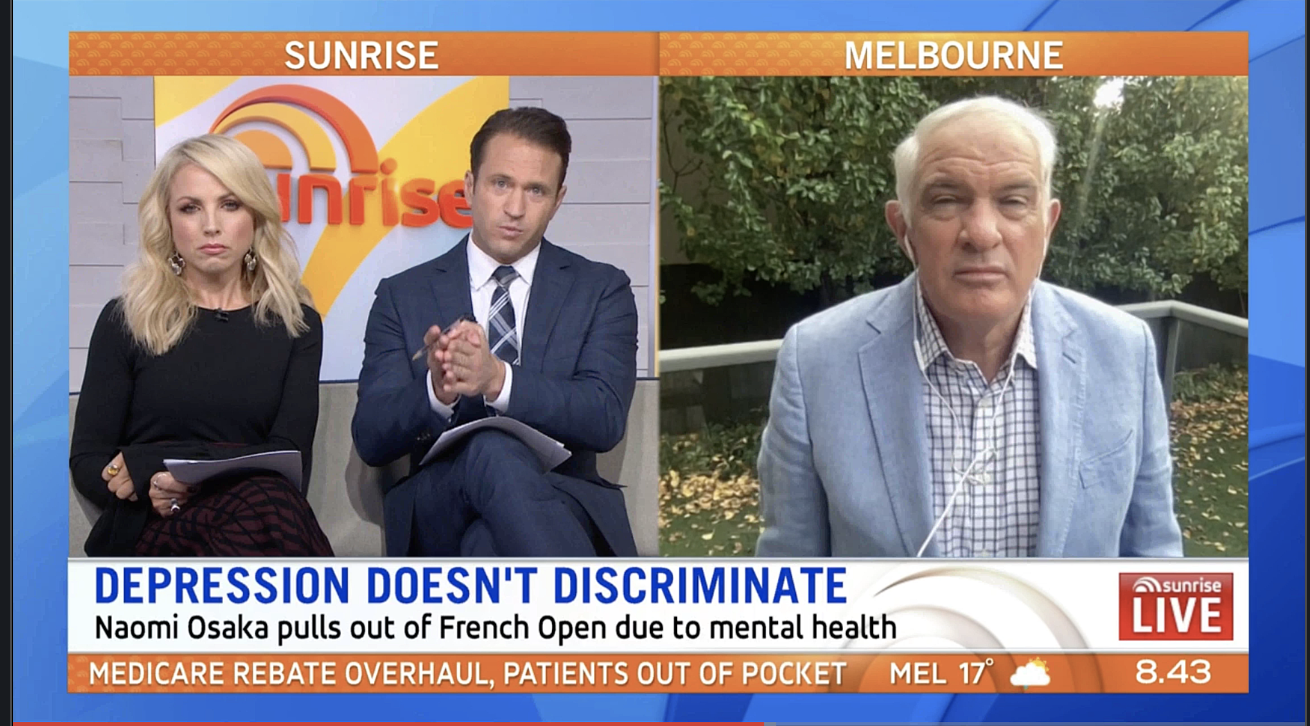

The Sydney Morning Herald
Article Sydney Morning Herald 18th March 2021
Parents can’t escape responsibility for boys’ misogynistic behaviour - 18th March 2021

While both incidents were deplorable, this latest event seems particularly unbelievable coming at a time when the public discourse on treating women with respect and dignity has reached stratospheric levels, thanks to Australian of the Year Grace Tame, the case of former Liberal staffer Brittany Higgins and the murder in the UK of Sarah Everard.
First, as Grace Tame said last week, “men are not the enemy” and it is clearly not all boys who behave this way. As a psychologist who toils in the vineyards of adolescence every day, I meet many kind, gentle, sensitive, socially aware, beautiful young men who love and cherish their sisters, mothers and grandmothers and are simply appalled by what happened on that bus.
