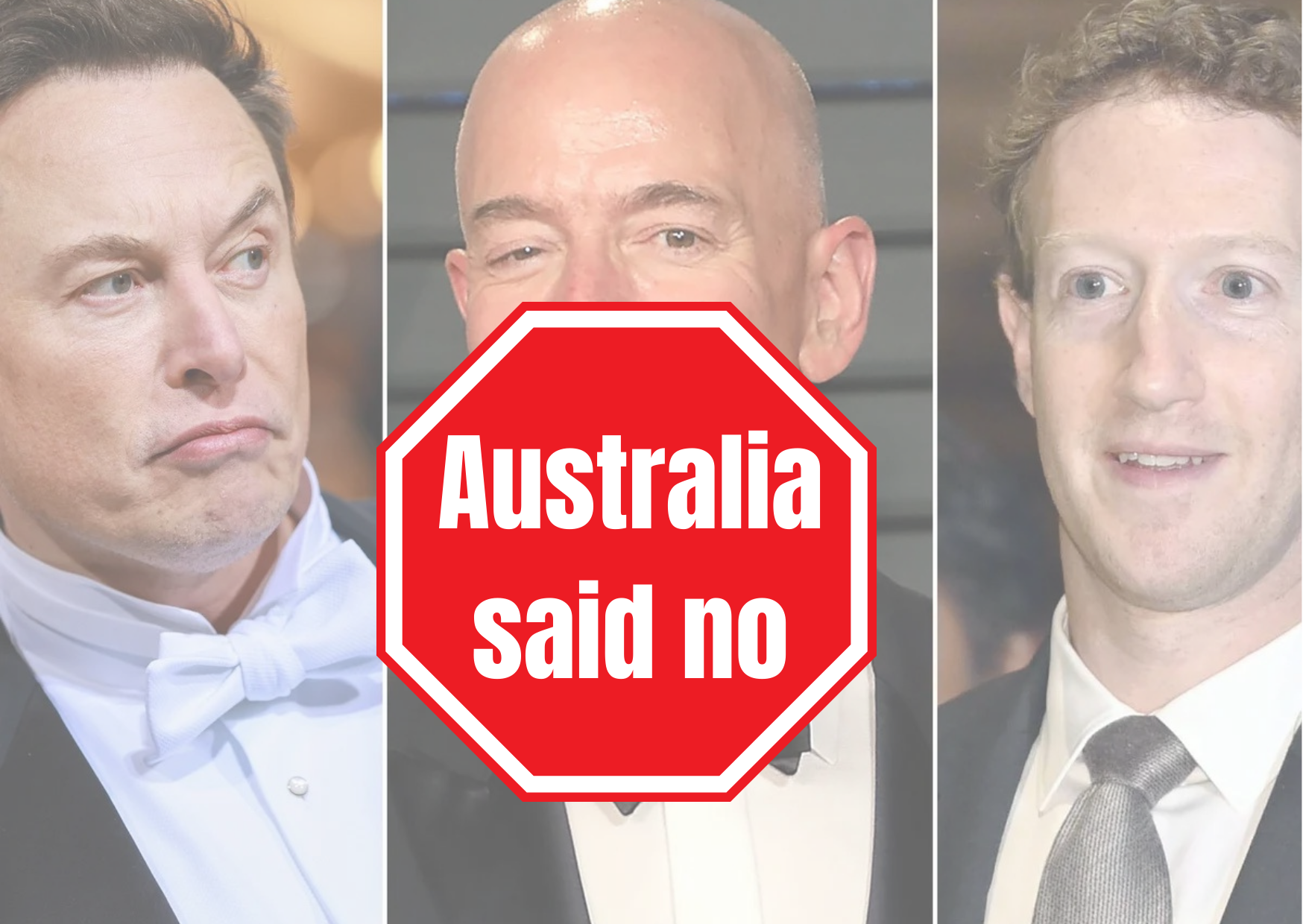
Australia Said No to big tech.
Dr Michael Carr-Gregg, AO
February 3, 2026
This week, Big Tech is on trial in the United States — and childhood is the evidence. For years, parents were told they were overreacting. Teachers were told they didn’t “get” technology. Clinicians were told the evidence was “mixed”.
Now a courtroom is asking a different question: What did tech companies know about harm to young people — and what did they do anyway? Let’s be clear: this is not a debate about screen time. It never was. It’s about design choices — engineered to maximise engagement, emotional reactivity, comparison and compulsive use, all during the most vulnerable period of brain development.
This isn’t accidental. Internal documents already show that adolescent psychology wasn’t ignored — it was systematically studied, understood, and leveraged. Reward sensitivity, novelty-seeking, poor impulse control, sleep deprivation and identity formation weren’t protected. They were monetised.
For a decade, the defence has been familiar:
• “The evidence is inconclusive”
• “Correlation isn’t causation”
• “Most kids are fine”
All technically true but morally insufficient. In public health and psychology, we don’t wait until every child is harmed before acting. We intervene when risk is predictable, preventable, and scalable. This trial matters — not just legally, but culturally. It validates what the Australian Government, schools, families and clinicians have been observing for years: rising anxiety, sleep disruption, aggression, loneliness and distress didn’t appear out of nowhere. It also sends an important message to young people themselves:
You are not broken.
Your brain did not fail.
You were up against systems designed to be irresistible. Be clear, litigation alone won’t fix this. Childhood moves faster than courts. But this moment forces a long-overdue reckoning about responsibility, regulation, and whether powerful companies owe a duty of care to developing minds. Because the real question isn’t whether social media is “good” or “bad”. It’s this: What responsibility do corporations have when their products shape childhood — and what happens when they get it wrong? I hope decision-makers are paying attention.