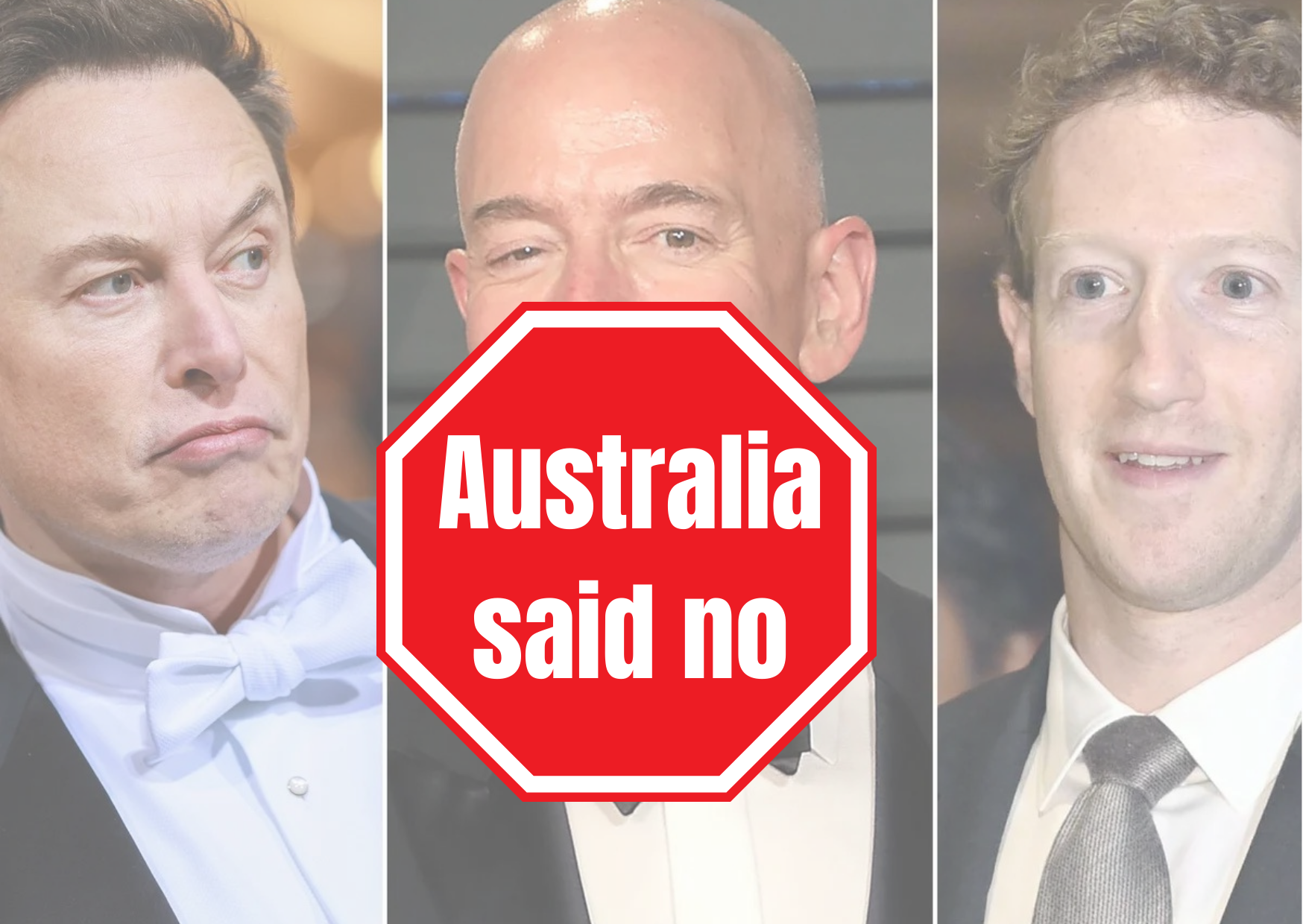
Australia Said No to big tech.
Dr Michael Carr-Gregg, AO
February 3, 2026
This week, Big Tech is on trial in the United States — and childhood is the evidence. For years, parents were told they were overreacting. Teachers were told they didn’t “get” technology. Clinicians were told the evidence was “mixed”.
Now a courtroom is asking a different question: What did tech companies know about harm to young people — and what did they do anyway? Let’s be clear: this is not a debate about screen time. It never was. It’s about design choices — engineered to maximise engagement, emotional reactivity, comparison and compulsive use, all during the most vulnerable period of brain development.
This isn’t accidental. Internal documents already show that adolescent psychology wasn’t ignored — it was systematically studied, understood, and leveraged. Reward sensitivity, novelty-seeking, poor impulse control, sleep deprivation and identity formation weren’t protected. They were monetised.
For a decade, the defence has been familiar:
• “The evidence is inconclusive”
• “Correlation isn’t causation”
• “Most kids are fine”
All technically true but morally insufficient. In public health and psychology, we don’t wait until every child is harmed before acting. We intervene when risk is predictable, preventable, and scalable. This trial matters — not just legally, but culturally. It validates what the Australian Government, schools, families and clinicians have been observing for years: rising anxiety, sleep disruption, aggression, loneliness and distress didn’t appear out of nowhere. It also sends an important message to young people themselves:
You are not broken.
Your brain did not fail.
You were up against systems designed to be irresistible. Be clear, litigation alone won’t fix this. Childhood moves faster than courts. But this moment forces a long-overdue reckoning about responsibility, regulation, and whether powerful companies owe a duty of care to developing minds. Because the real question isn’t whether social media is “good” or “bad”. It’s this: What responsibility do corporations have when their products shape childhood — and what happens when they get it wrong? I hope decision-makers are paying attention.
Finally, We’re Trusting GPs With ADHD. About Time.
Dr Michael Carr-Gregg AO, February 3, 2026
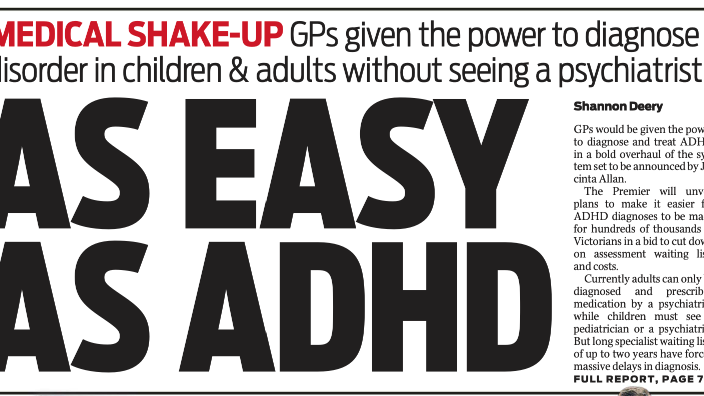
The Victorian government has announced that GPs will now be allowed to diagnose and treat ADHD in adults and children as part of reforms to reduce long waits and high costs for specialist assessment. The announcement includes an initial investment to train around 150 GPs by September 2026 so they can expand their scope to safely diagnose, treat and prescribe for ADHD. Putting aside the fact that four other states/territories (Queensland, NSW, WA, and SA) had either already implemented or announced reforms - this is a great move.
Cue the pearl-clutching. Cue the think pieces about “over-diagnosis.” Cue the sudden concern for patient safety from people who have never tried to book a psychiatrist or a paediatrician in this state. But for anyone who actually lives with ADHD — or loves someone who does—this reform isn’t radical. It’s long overdue.
For years, ADHD has been treated like a niche, specialist-only condition, as if recognising a lifelong neurodevelopmental disorder requires a crystal ball and a three-year waitlist. Adults have been bounced between referrals, told their symptoms are “stress,” “anxiety,” or a personality flaw, and left untreated while their lives quietly unravel. Parents have watched their kids struggle at school while paperwork crawls through a system designed for scarcity, not care.
All the while, the evidence has been clear: ADHD is common, well-researched, and treatable. And GPs—who already diagnose and manage depression, anxiety, diabetes, asthma, and countless other chronic conditions—are more than capable of doing this work. The idea that only psychiatrists can safely diagnose ADHD has never really been about safety. It’s been about gatekeeping.
In Victoria, opposition or strong caution about expanding GPs’ role in diagnosing and treating ADHD (especially prescribing stimulants) has mainly come from psychiatrists (via their professional bodies. Let’s be honest about what the old system produced. It didn’t protect patients; it delayed care. It didn’t ensure rigour; it ensured privilege. If you had money, time, and the ability to navigate a labyrinth of referrals, you got help. If you didn’t, you were told to cope better, try harder, or wait another year. That’s not clinical excellence. That’s rationing dressed up as caution.
GPs are already the backbone of our health system, especially for children and teenagers. They know their patients. They see the full picture—mental health, physical health, family context, history over time. They are often the first to suspect ADHD, and until now, they’ve been forced to stop just short of actually helping. This reform closes that absurd gap.
It also reflects a reality policymakers have been slow to accept: ADHD doesn’t magically appear in childhood and vanish at 18. Adults have ADHD. Women have ADHD. People who weren’t disruptive at school, who internalised their struggles, who masked and compensated and burned out quietly—have ADHD. These are the very people most likely to fall through a specialist-only system.
Critics warn this change will lead to “over-diagnosis.” But what they really mean is more diagnosis. And when a condition has been systematically under-recognised for decades, that’s not a problem—it’s a correction. We don’t accuse GPs of “over-diagnosing” asthma because more people get inhalers. We don’t panic about “too much depression” when antidepressants become more accessible. We recognise unmet need. ADHD should be no different.
Of course, this doesn’t mean every GP suddenly becomes a lone cowboy/cowgirl handing out scripts. Training, guidelines, and clear pathways matter. Complex cases will still need specialists. Safeguards should exist. None of that is incompatible with trusting GPs to do what they already do every day: assess, diagnose, monitor, and refer when needed. What is incompatible is a system that treats ADHD like a rare indulgence instead of a mainstream health issue.
This reform is about more than efficiency. It’s about dignity. It’s about believing patients when they describe their own lives. It’s about recognising that long waitlists are not a virtue, and suffering is not a prerequisite for care. Victoria hasn’t lowered the bar. It’s removed an unnecessary wall. And for thousands of people who’ve spent years stuck on the wrong side of it, that’s not just policy. It’s relief. Finally.
The Young People We Forget After Suicide
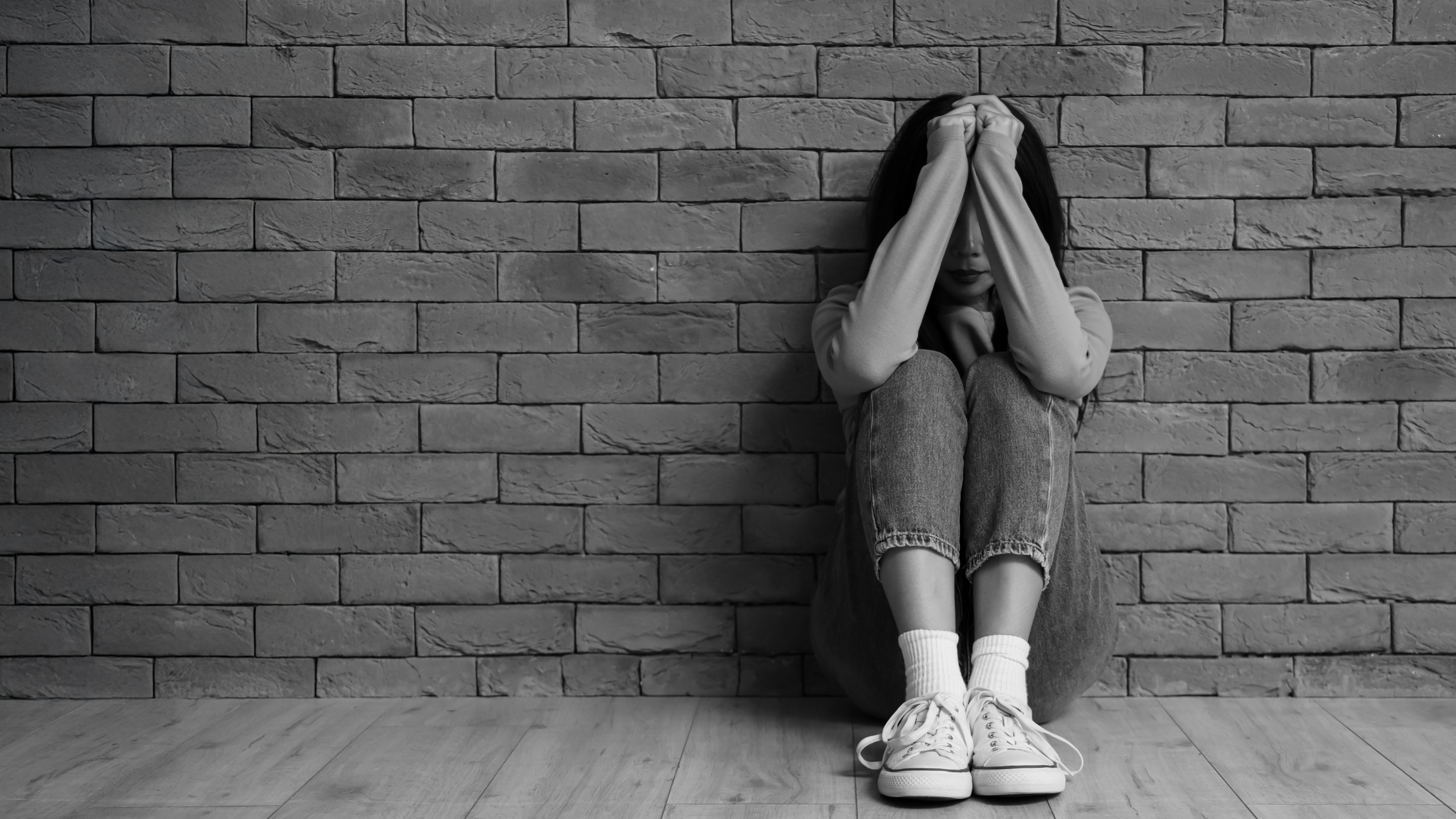
Four months after her estranged father took his own life, a 15-year-old girl sits across from me in my consulting room. She doesn’t cry. She doesn’t rage. She doesn’t ask why. She simply tells me she’s tired.
Four months after her estranged father took his own life, a 15-year-old girl sits across from me in my consulting room. She doesn’t cry. She doesn’t rage. She doesn’t ask why. She simply tells me she’s tired.
It’s a sentence I hear with increasing frequency — not just from teenagers who have lost a parent, but from those who have lost a friend. In Australia, we speak at length about preventing suicide, and rightly so. But what we rarely talk about are the young people left behind. The sons, daughters, classmates and teammates who wake up the next morning carrying questions they can never get answered. Suicide doesn’t just end one life. It radiates outward — into families, schools, footy teams, group chats, gaming communities and entire peer groups. And those caught in the blast are often the least supported, the least noticed, and the least understood. Whether the person lost is a parent or a close mate, young people often experience grief that is complicated, contradictory and deeply unsettling. Most deaths provoke sadness. Suicide triggers something much more layered. Teenagers ask themselves questions that cut straight to the bone: “Should I have seen the signs?” “Could I have stopped it?” “Was I not worth staying for?” “Why would someone my age do this?” These thoughts aren’t rare; they are overwhelmingly common. And they can be devastating. Research from around the world shows that teens bereaved by suicide — whether of a parent or friend — are at significantly higher risk of anxiety, depression, substance use, school refusal and, most concerning, suicidal ideation. When someone your own age or someone who created you dies this way, it can distort your understanding of what is possible or even thinkable.
For young people who lose a parent they weren’t close to, or a friend they’d recently fallen out with, the emotional maze becomes even more complex. “How do I grieve someone who wasn’t really there?” “Is it wrong to feel numb — or even relieved?” “Am I allowed to be angry at them?” These are normal questions, but because we don’t talk about them, young people often feel they’re grieving “incorrectly”, adding shame to an already overwhelming experience. When a child loses a friend to suicide, parents often feel uncertain, overwhelmed or frightened. They want to say the right thing but fear saying the wrong one. They are grieving too — grieving their child’s innocence, their own sense of safety, the realisation that their teenager’s world is far more complex than they imagined. But teenagers do not need perfect sentences. They need calm. Predictability. Honesty. A sense that the adults around them can withstand powerful emotions without collapsing or panicking. Presence beats perfection every time.
If there is one message I’d deliver to every principal and teacher in Australia, it is this: a student grieving after suicide must not be left to drift. Young people rarely walk into a school office and announce they’re falling apart — they show it through slipping grades, irritability, withdrawal, lateness, zoning out, or simply looking “different” in ways only attentive adults pick up. Whether the loss was a parent or a friend, schools must be actively, deliberately supportive. That means assigning a designated safe adult on staff — someone the student knows they can approach without judgement. It means monitoring academic performance, not to penalise them, but to catch the early signs of struggle. It means maintaining predictable routines, because structure is comforting when the rest of their world feels chaotic.
It also requires compassionate flexibility: extensions where appropriate, reduced homework loads, quiet spaces when needed, and an understanding that emotional dysregulation is part of trauma, not “acting out”. Schools must keep clear lines of communication with home, checking in with parents about mood, sleep, behaviour changes and social dynamics. And most importantly, teachers must understand that a drop in concentration, motivation or behaviour after a suicide is not defiance. It’s grief. It’s the brain’s executive functioning going offline under the weight of trauma.
Doing nothing isn’t neutral. It is, in fact, one of the most damaging responses a school can offer. When adults pull back, assume the young person is coping, or expect them to “soldier on”, students interpret it as a message: no one sees me. Early, proactive support isn’t a luxury — it’s a protective factor that can prevent depression, school refusal, substance use and even further suicide risk. Schools can’t undo the tragedy, but they absolutely can determine whether a young person feels held — or alone — in its aftermath. Our suicide-prevention strategies are improving, but our postvention response in schools — the care for those left behind — is patchy at best. Every child affected by suicide deserves timely counselling, coordinated care, school-based monitoring, follow-up for at least a year. Right now, it’s a postcode lottery. Many receive no formal support at all.
The 15-year-old girl in my office — exhausted, polite and doing her best — deserved more than silence. So do the countless teenagers mourning a friend whose death makes no sense to them. If we truly care about young people, we must stop treating suicide as the end of a story. For those left behind, it is the beginning of a long and vulnerable journey. And we have a moral responsibility to walk it with them. Anything less risks failing them twice.
Generation Under Pressure: Why 2026 Could Break Young Australians
If you think young Australians are doing it tough now, brace yourself. By 2026, they’ll be staring down a perfect storm of pressures that make today’s youth anxiety epidemic look like a warm-up act.

If you think young Australians are doing it tough now, brace yourself. By 2026, they’ll be staring down a perfect storm of pressures that make today’s youth anxiety epidemic look like a warm-up act.
Let’s start with the mental health crisis. Waiting lists for psychologists are already obscene, and despite endless hand-wringing from politicians, they’ll still be there in 2026. That means thousands of young people will continue to fall through the cracks — untreated anxiety, depression, eating disorders and self-harm behaviours becoming a grim daily reality. It’s not just tragic; it’s policy failure on a national scale.
Next up: education and work. In the age of artificial intelligence and disappearing job security, Year 12 exams are more than just stressful — they feel like a matter of survival. Students know their futures hinge on a brutal contest for a shrinking pool of stable, well-paid jobs. The result? More sleepless nights, more pressure-cooker classrooms, more young Australians feeling trapped between old pathways like university and precarious gig work that promises little security.
Then there’s the economy. Housing insecurity will bite even harder in 2026. Forget the Aussie dream of owning a home — for many young people, even renting will be a nightmare. Sky-high prices, chronic shortages, and the reality of living with Mum and Dad well into their twenties will fray family relationships and delay milestones like independence and starting a family.
Of course, young Australians don’t get to log off from the digital world either. Social media is already a relentless engine of comparison, cyberbullying and toxic content. By 2026, immersive technologies like the so-called “metaverse” will make it even harder to draw a line between reality and online life. Governments can promise regulation all they like, but as long as Big Tech puts profit before children’s wellbeing, our young people will pay the price.
And let’s not forget the looming spectre of climate change. Bushfires, floods, and a steady drumbeat of doomsday headlines are fuelling eco-anxiety on an unprecedented scale. For this generation, climate change isn’t an abstract future threat — it’s an existential backdrop to their adolescence. That sense of helplessness and dread will only intensify if we keep dithering.
Finally, there’s social fragmentation. Fewer young people are volunteering, civic engagement is sliding, and family structures are shifting. Add the poison of political polarisation — amplified by online echo chambers — and you’ve got a generation caught between hope for collective action and despair at the noise and nastiness of public life.
Put bluntly, 2026 will test young Australians like never before. The stressors are relentless, overlapping, and in many cases, entirely foreseeable. What’s unforgivable is that so many of them are preventable.
We don’t need another glossy government strategy. We need urgent investment in mental health services that actually meet demand. We need schools that prioritise resilience and adaptability, not just ATARs. We need digital regulation with teeth, not platitudes. And we need a climate policy that treats eco-anxiety not as teenage melodrama but as a rational response to government inaction.
The choice is ours: equip young Australians to thrive in 2026, or abandon them to sink under pressures they didn’t create. To do the latter would not just be negligent — it would be an unforgivable betrayal.
TikTok and the Teenage Self-Diagnosis Epidemic
If you’re a parent, teacher, or policymaker and you’re not worried about TikTok’s role in adolescent mental health, you should be.
By Dr Michael Carr-Gregg
If you’re a parent, teacher, or policymaker and you’re not worried about TikTok’s role in adolescent mental health, you should be.
Right now, millions of young Australians are bypassing GPs, psychologists, and psychiatrists — and turning instead to influencers and algorithms for answers about their wellbeing. Google has been replaced by TikTok. Evidence has been replaced by anecdotes. And self-reflection has been replaced by self-diagnosis. The results? Confusion, contagion, and in some cases, catastrophe.
The research is damning. Less than 15% of mental health content on TikTok comes from professionals. Over half of ADHD videos are misleading. Autism, trauma, and DID content is riddled with errors. Algorithms push this material at teens even if they aren’t searching for it.
During COVID, we saw a wave of functional tic disorders linked directly to TikTok content. That’s not awareness — that’s algorithm-driven iatrogenesis. Iatrogenesis is the unintended causation of a disease, injury, infection, or other harmful complication as a direct result of medical intervention or treatment, including diagnosis, therapeutic procedures, drugs, errors, or negligence. It reflects any adverse effect on a patient that is not considered part of the natural course of their underlying condition but instead results from external activities.
Adolescence is a perfect storm: identity confusion, peer pressure, and a brain wired for risk-taking. TikTok dangles easy answers: vague “symptom lists” that fit anyone (the Barnum effect), confirmation bias delivered on demand, and a culture where mental illness is normalised — even glamorised. Be clear, the platform doesn’t just reflect teen struggles, it shapes them.
To be fair, social media isn’t all bad. I am a big fan of the work of Dr Julie Smith a UK psychologist. Dr Smith began documenting her insights in short TikTok videos in 2019 after realizing that lasting therapeutic knowledge often feels inaccessible. She wanted to empower more people outside the therapy room by distilling psychological concepts into quick, digestible content. Her creative use of props (think overflowing "stress buckets", trauma filled waste paper baskets, fish tanks, or finger-trap metaphors) makes complex concepts like emotional regulation and anxiety relatable—without sacrificing clinical accuracy. Teaching through visual metaphors is a hallmark of her content, has resonated so well that she’s amassed millions of followers and is a trusted voice.
Unfortunately research shows that not all the content is as good. Parents report fractured relationships. Schools see distracted, distressed students insisting they “have” disorders based on TikTok clips and clinicians like me, spend valuable session time unpicking myths spread by influencers.
We don’t need another moral panic. We need action:
Parents: Talk with your kids about what they’re watching. Model healthy screen use. Don’t outsource mental health care to an app.
Schools: Make media literacy as fundamental as maths. Enforce phone-free classrooms.
Clinicians: Ask about social media use at intake. Offer credible alternatives.
Platforms: Stop pretending. Enforce algorithm transparency. Flag unverified health content.
TikTok is not going away. But if we leave our kids’ mental health in the hands of algorithms and amateurs, the cost will be enormous.
Young people deserve better. They deserve professional help, credible information, and adults willing to guide them through the noise. Self-awareness is healthy. Self-diagnosis on TikTok is not.